CityLab Buffalo: My Queer History
Learning more about myself and the city I live in

When I was deciding how to approach the CityLab portfolio and project work, I wasn't really sure what I was doing. My first step was to take some time and think about who I am and how I present myself.
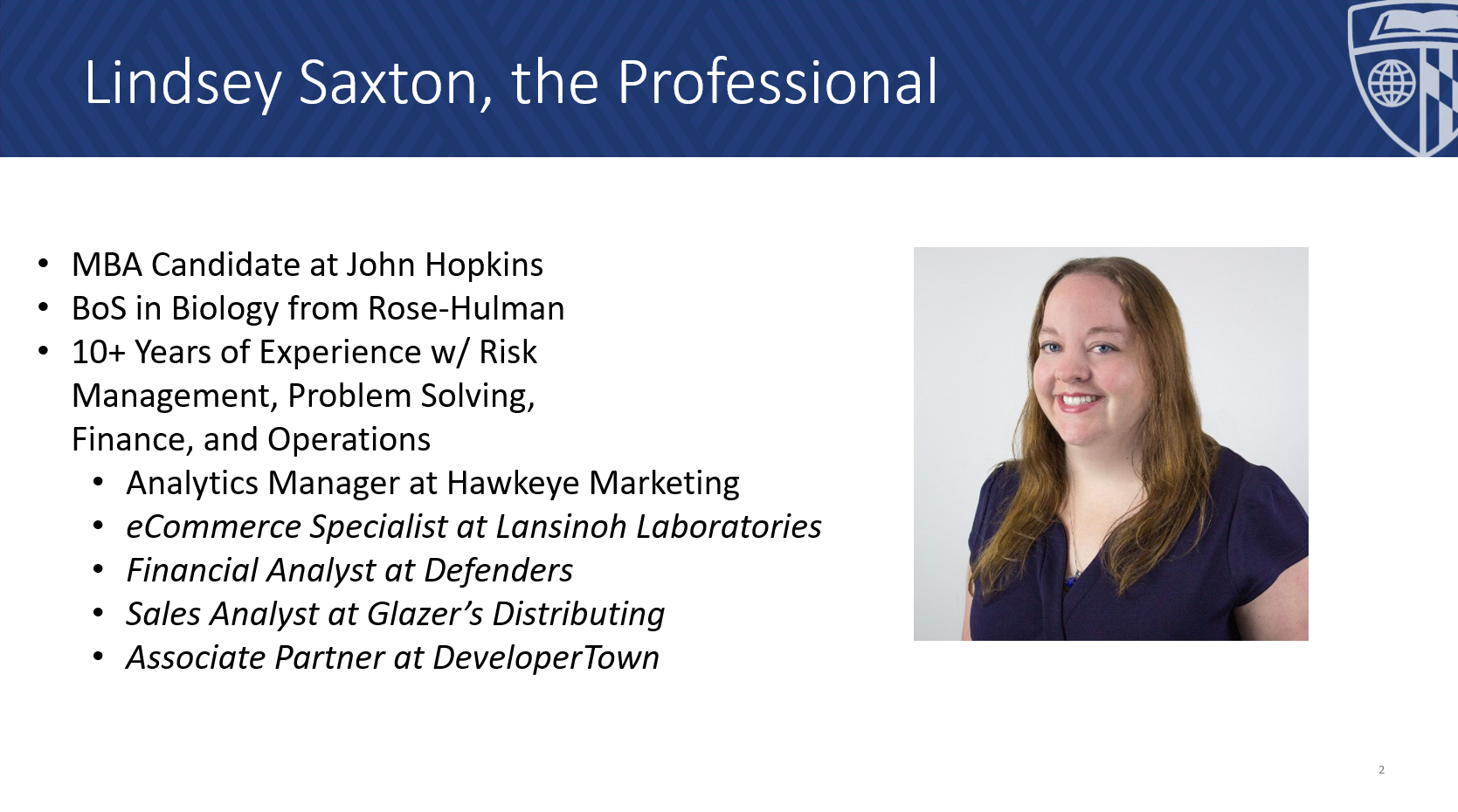
After doing so, I realized that so much of my identity was built around my career when that's only a fraction of who I really am. I definitely have historically prioritized it, but I've been swayed by the new Gen Z mindset. As cliche as it is, I've been trying to stop "living to work" and am now "working to live". As such, I thought about what I'd been incredibly passionate about during other times in my life.
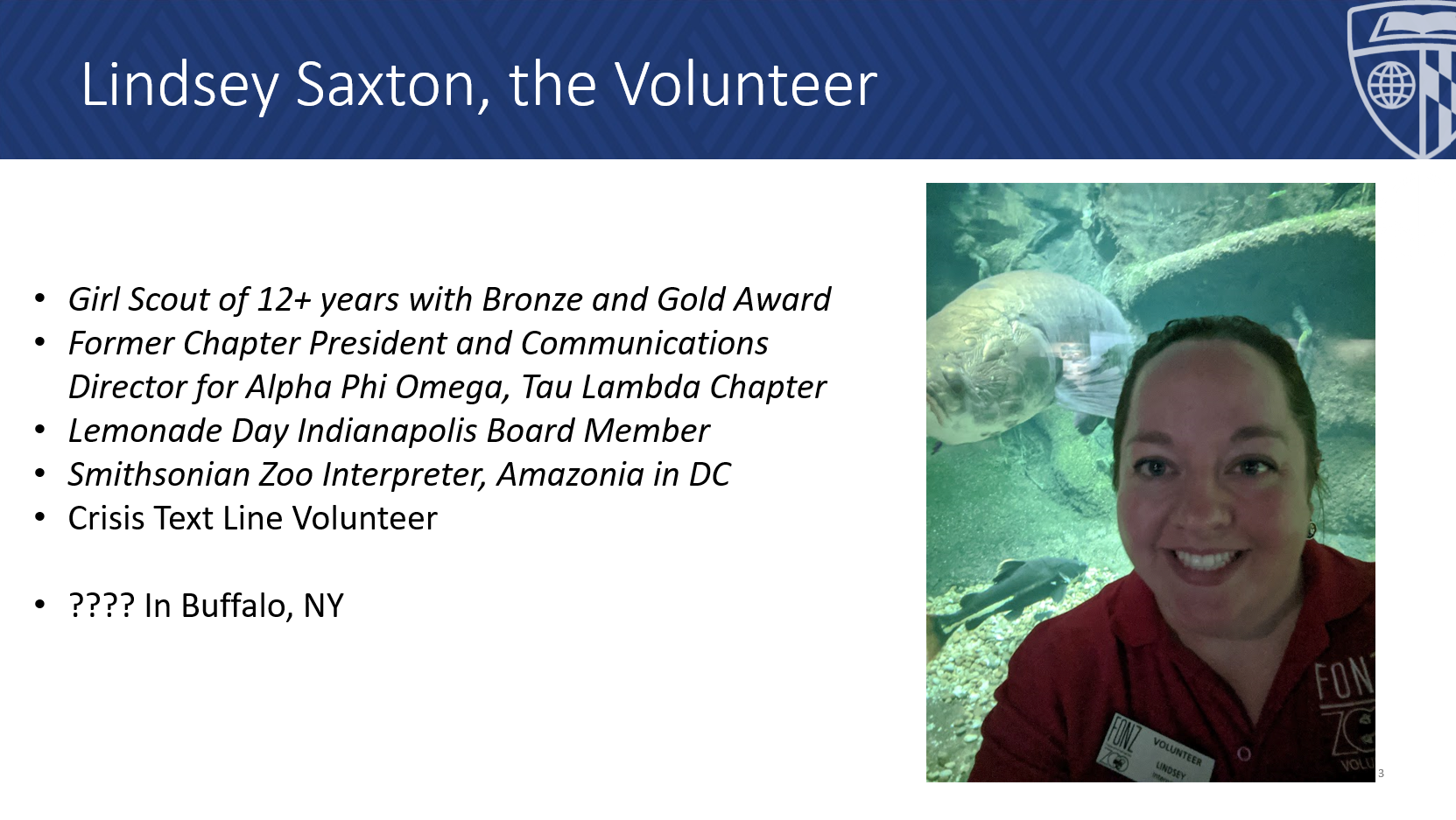
Historically, wherever I've lived, I've tried to volunteer doing something meaningful for the community. I realized that this project was the perfect way to identify my next volunteer opportunity after moving to Buffalo, NY at the start of the summer. My last step of self-exploration (or so I thought) was to figure out what kind of volunteer work I wanted to do, so I wrote down everything that I could think of that I enjoyed doing.
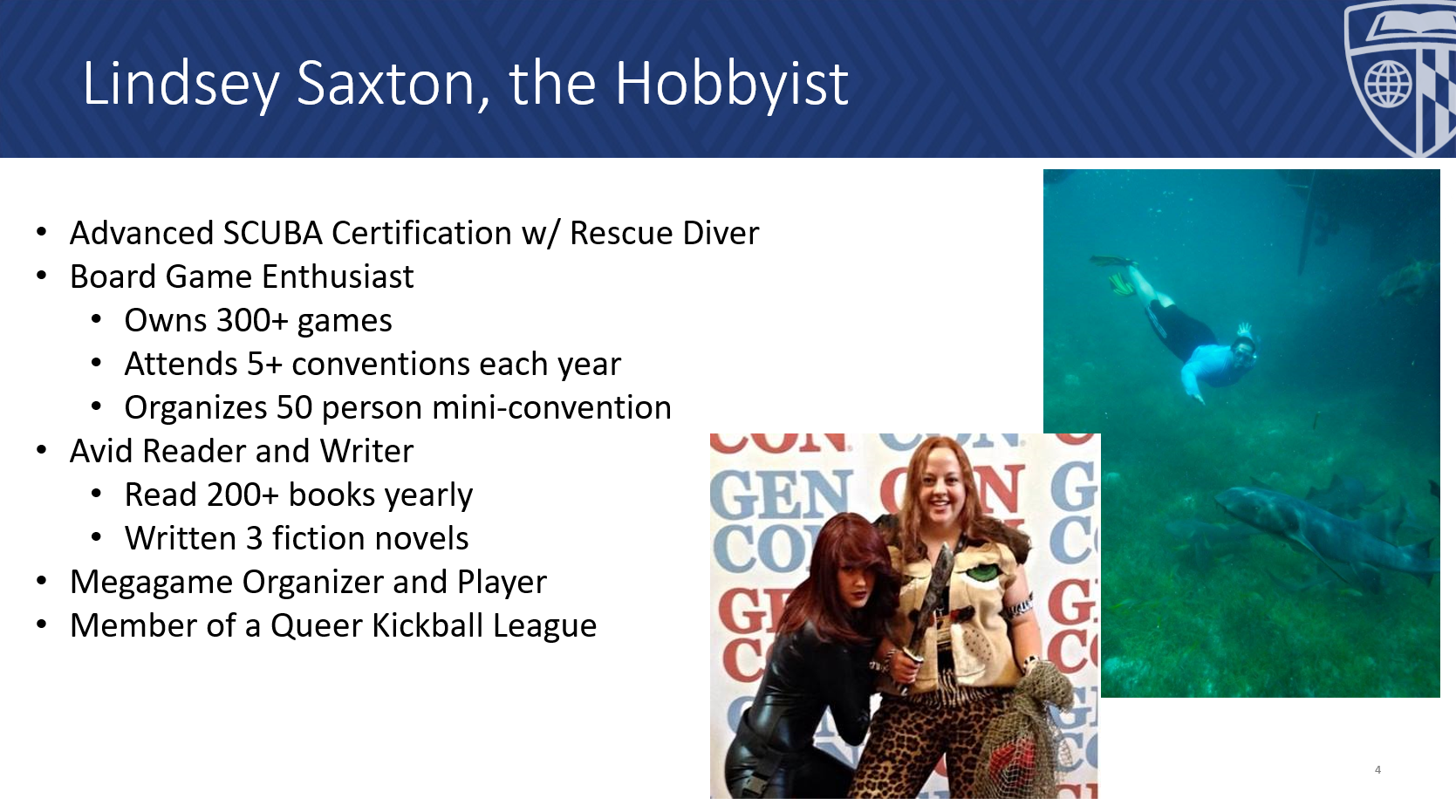
When I realized how long it'd taken me to put down anything about being Queer, I was shocked. It's a part of my identity that I've recognized for a long time but never embraced as much I should. I realized that a great way to work on it while doing the city-research part of the course would be to dive into the Queer community of Buffalo and see what spoke to me.
I started out by doing a deep dive into the Queer history of Buffalo. I didn't realize how much rich history there was. It's hard to condense a single city's history with so many landmark events into one concise summary, but here is my attempt:
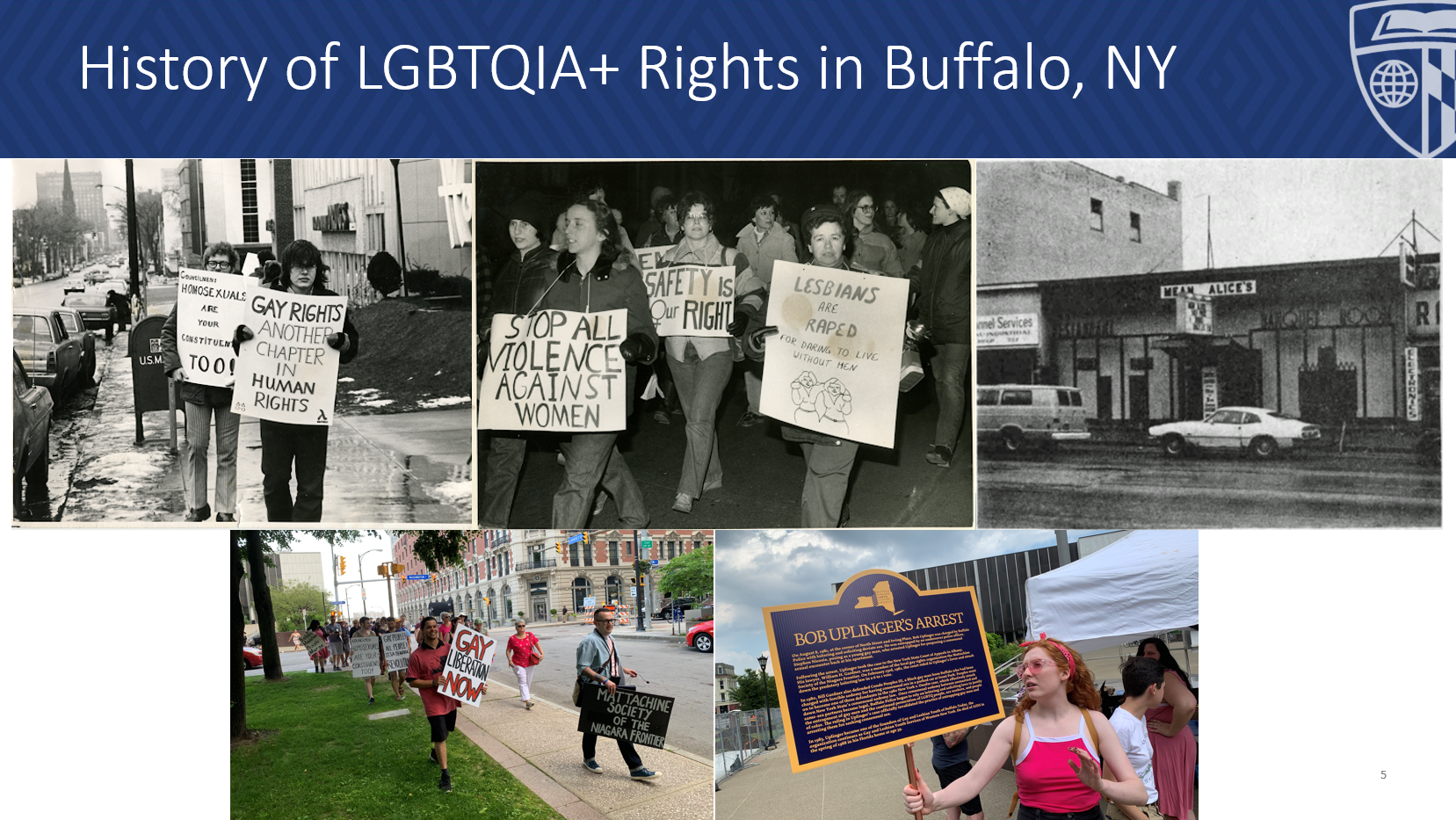
* 1900s- Buffalo was one of the safer cities for Queer people seeking a place they can be themselves.
* 1940s and 50s- There was a thriving gay and lesbian bar scene in Buffalo, partially kept safe by necessary bribery to the police to stay away.
* 1960s- A crackdown on police corruption and anti-Queer rhetoric resulted in many of them being shut down and paved over.
* 1970s and 80s- An upswing of activism started the work to make Buffalo safer again for Queer people.
* 1981- New York v Onofre paved the way for overturning sodomy laws across the US.
* 1990s and 2000s- Continued work to protect the rights of Queer residents and formalize them in law.
* 2010s- Numerous efforts to document the history of the Queer movement in Western NY.
* 2020s - Ongoing focus on intersectionality and Trans Rights.
As a part of this learning, I also interviewed several Queer people that had lived in Buffalo for most of their lives in my extended circle to learn more about their history and experience in the Queer community. I really enjoyed getting to hear more about what it was like over time. They contained some common notes: prejudice and varying levels of bullying when they were younger but that things have gotten a lot better since they've grown up. The 90s had some darker moments, including a friend's partner getting murdered in a hate crime. We've come a long way, but there are still strides to be made.
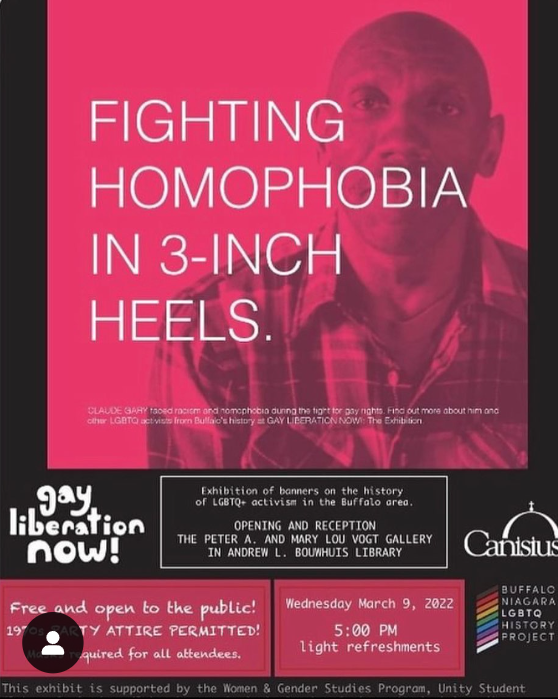
That's when I settled on the group that I plan to work with, the Buffalo Niagara LGBTQ History Project. They offer walking tours around the city, and I plan to help with one next week. They also do research with the goal of putting on events to help educate the community on what's happened here. Their current initiative for a November 2023 event is understanding the Trans History of Buffalo. Though I'm still working to finalize specific details with them, my Term 2 project will likely be working to update their woefully out-of-date website to make it informative of what they're currently working on and how people can get involved.
Note: as a side note, I have repurposed an old blog and cleared out most of the articles, but feel free to check any of them out if you're interested.
Playing for Meeps since 1990.
